Young Game Rescue and Protection Seminar
With drone training and monitoring course – perfectly prepared for the upcoming mowing season!
- Date
- 03/04/2027
- Town/City
- Neunburg vorm Wald, Bavaria
- Duration
- 1 day
- Speaker
- Julia Gubo
- Participants
- up to 18 people
- Accommodation
- Not included
What you will learn
With drone training and monitoring course – perfectly prepared for the upcoming mowing season!
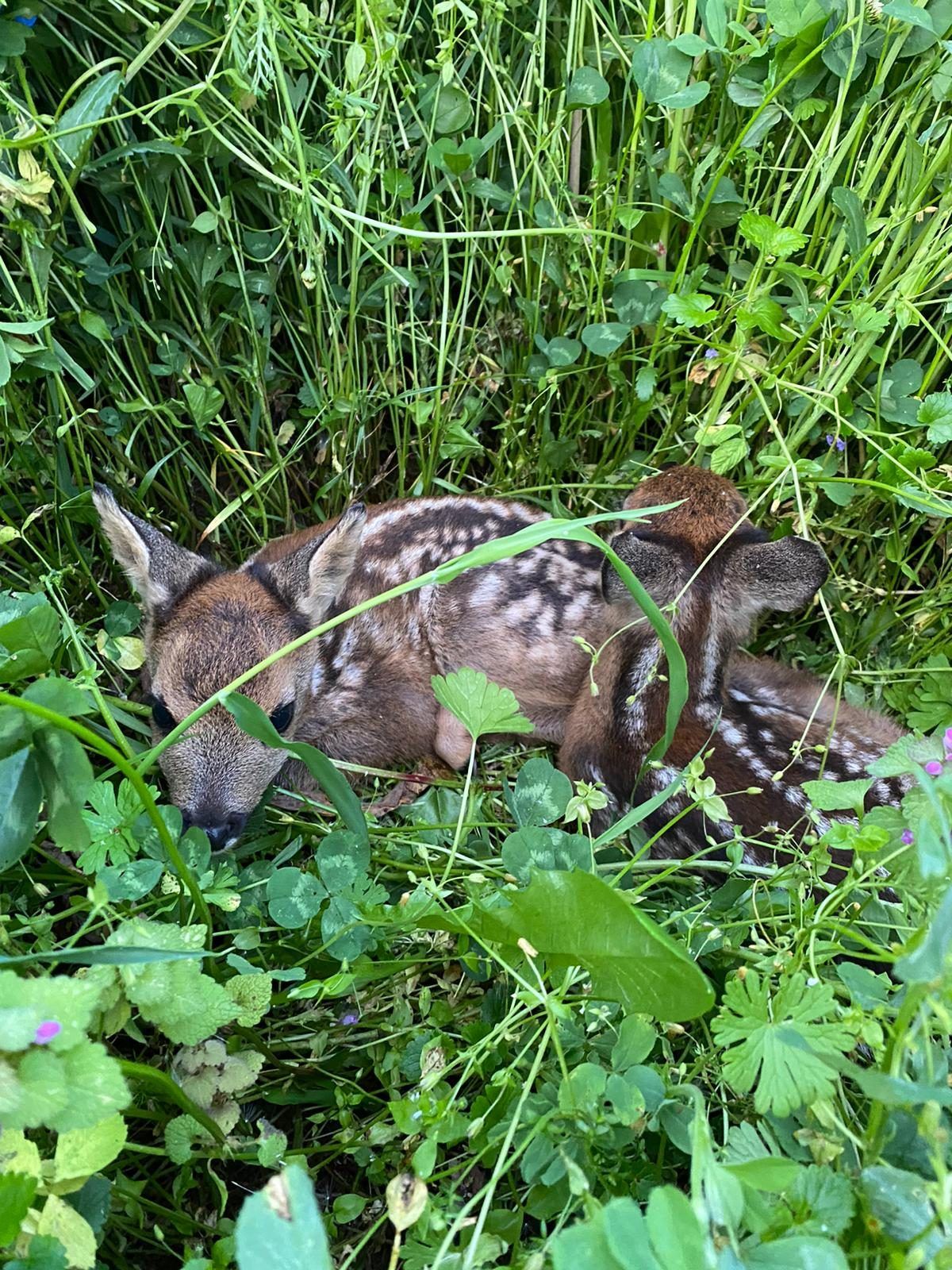
Every year, numerous fawns and other wildlife fall victim to mowing machines. Especially in their first weeks of life, young animals rely on their natural instinct to stay still in tall grass when danger approaches. This often causes them to be overlooked during meadow mowing, putting them in life-threatening situations.
This is exactly where we step in!
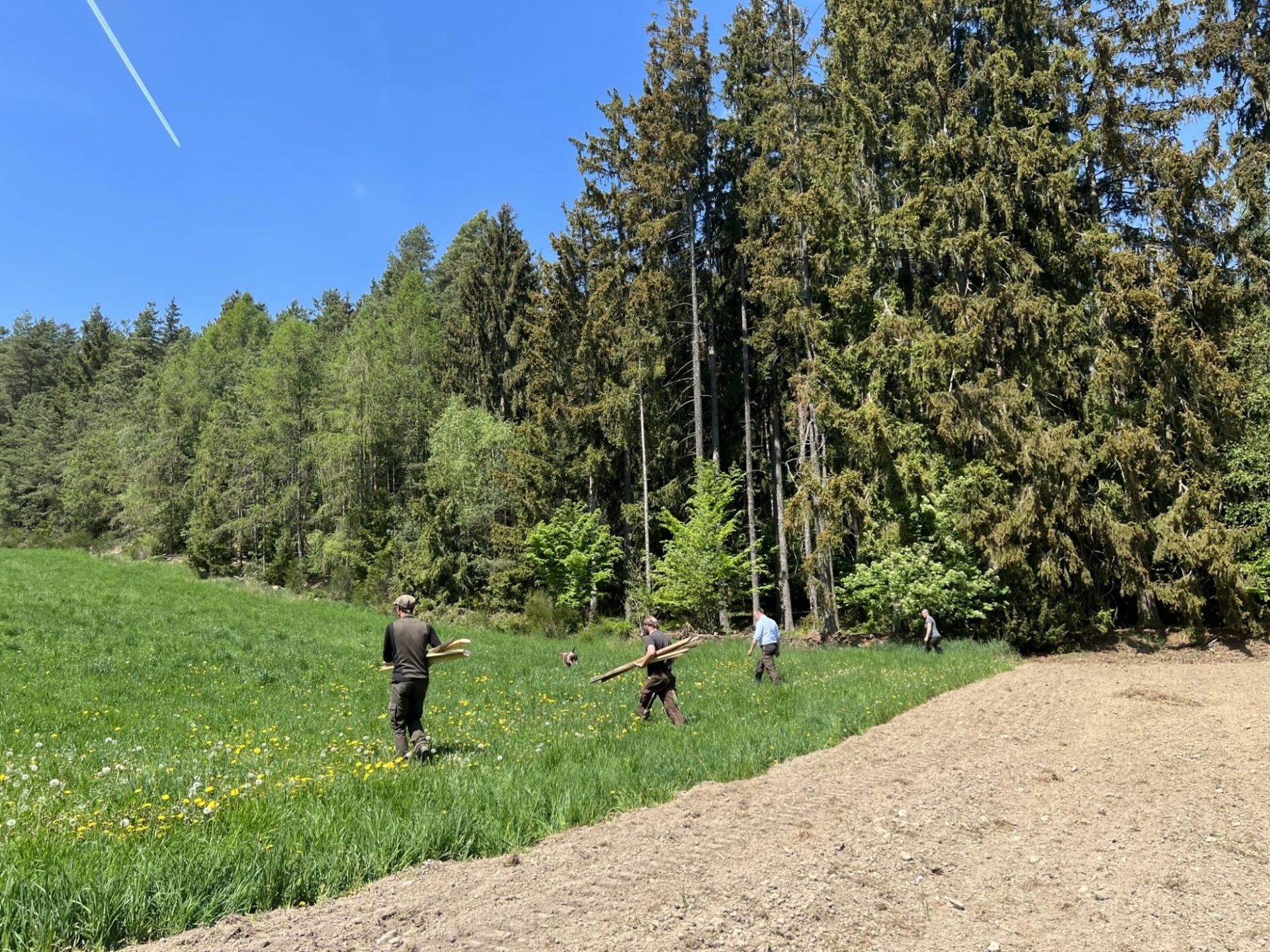
With our young wildlife rescue and protection seminar, we aim to provide interested individuals, farmers, hunters, drone pilots, and dedicated nature enthusiasts with the necessary knowledge and practical skills to actively and effectively contribute to the protection of our native wildlife.
Our seminar combines theoretical expertise with practical content and prepares participants specifically for the challenges of the upcoming mowing season.
Drone training – using modern technology sensibly
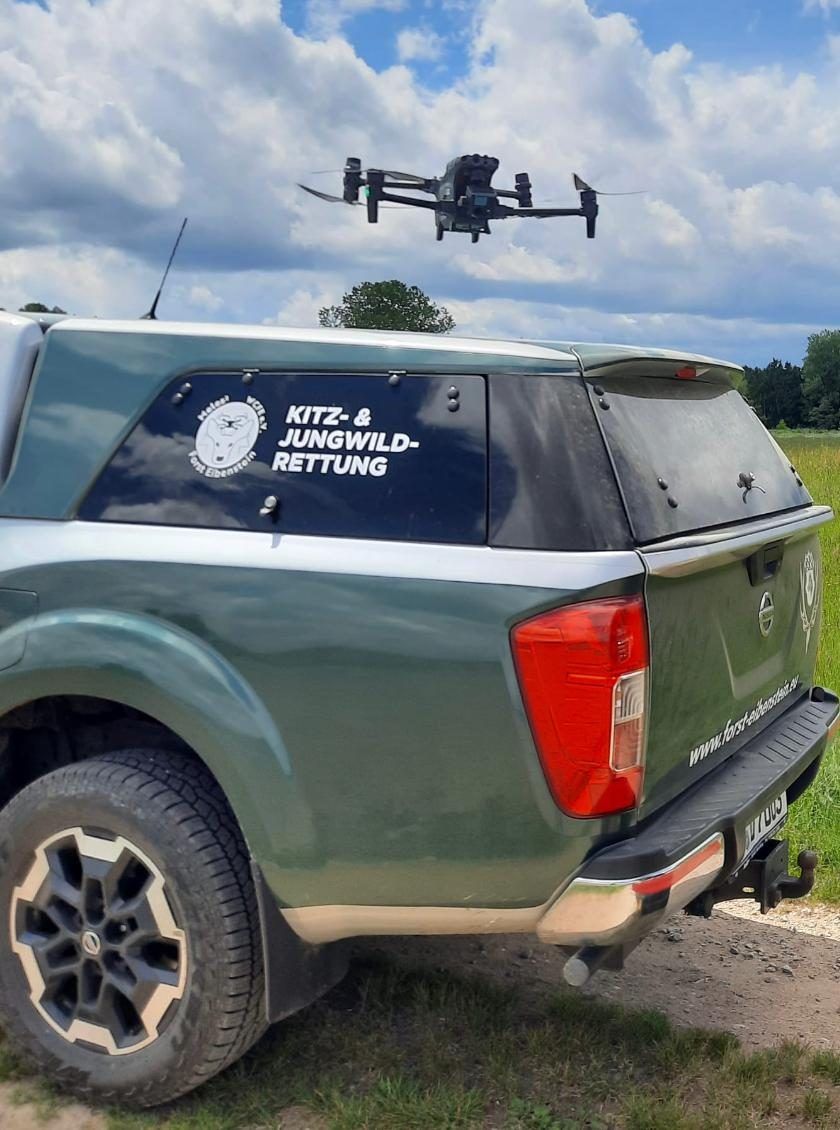
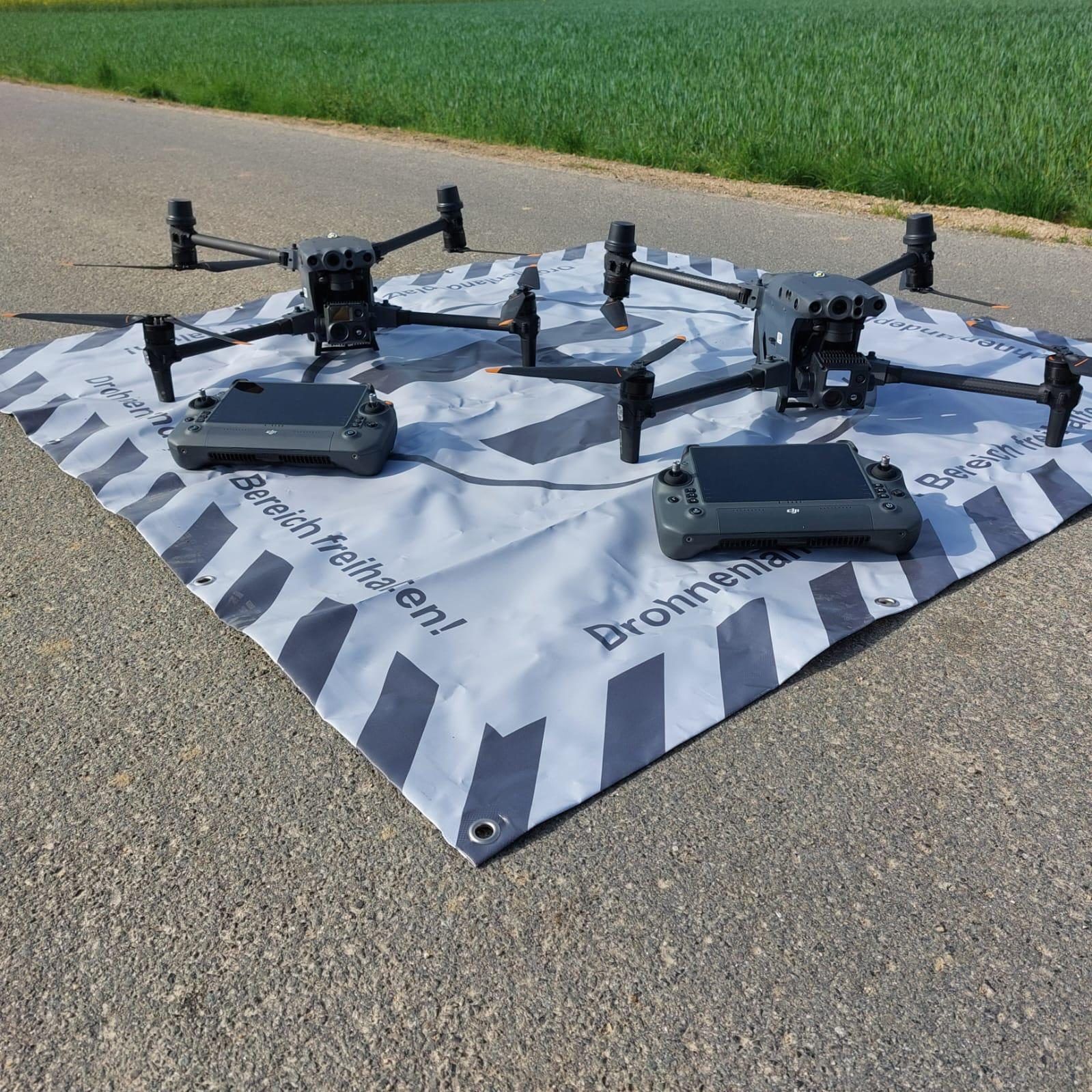
Drone technology has become an indispensable tool in young wildlife rescue. With the help of thermal imaging cameras, meadow areas can be searched early and systematically to detect hidden fawns and other wildlife in time.
In the drone training, we cover topics including:
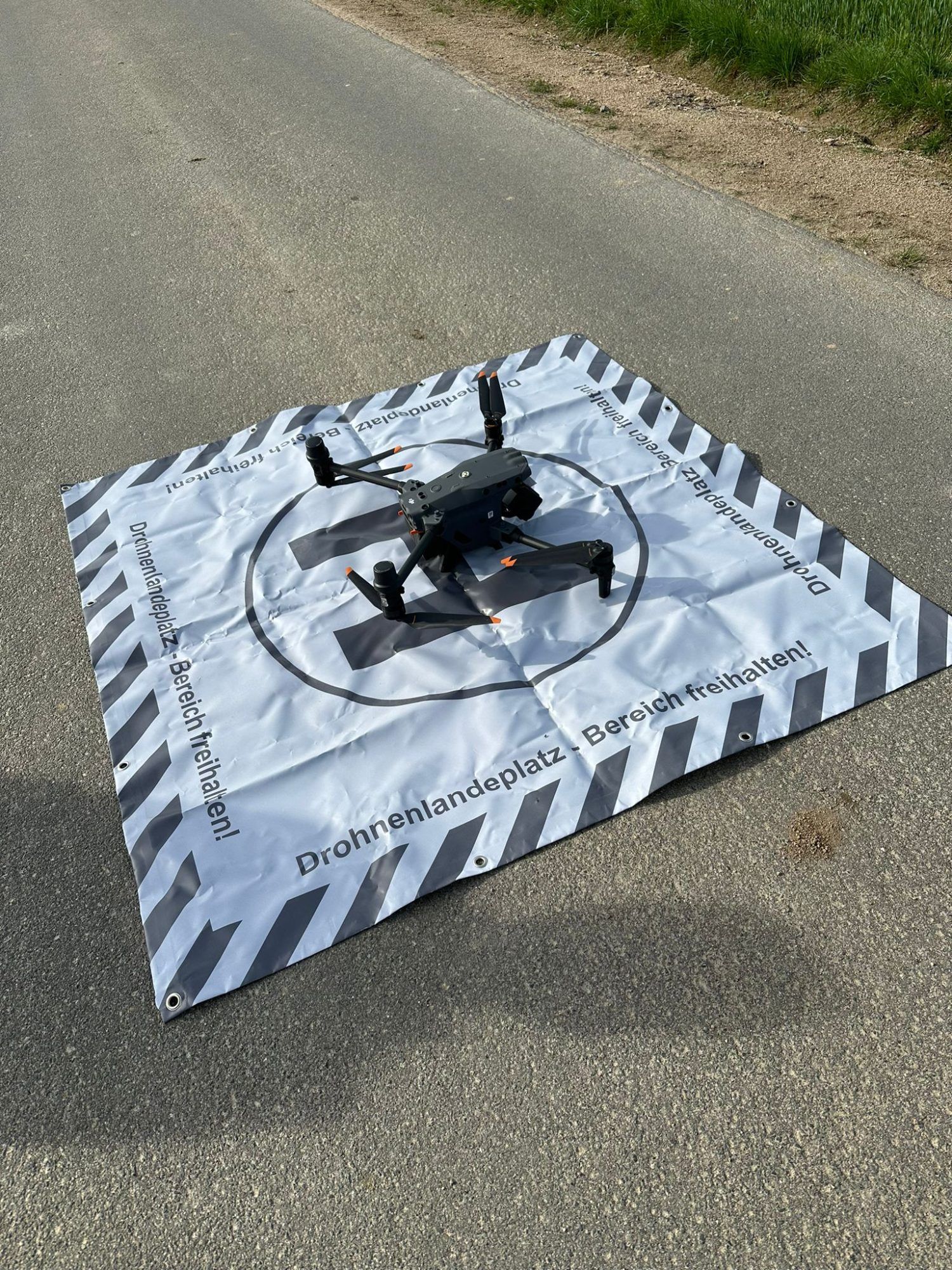
- Basics and technology of modern drone systems
- Applications of thermal imaging cameras
- Flight planning and preparation for search missions
- Proper execution of search flights
- Special features and challenges in young wildlife rescue
- Responsible and safe drone operation
The goal is to provide participants with a solid insight into the technology and its practical application.
Young wildlife rescue and protection measures
Successful young wildlife rescue starts even before the first field operation. Good preparation, clear procedures, and proper communication between farmers, hunters, and rescue teams are crucial.
We teach essential basics for organizing and conducting rescue missions. Animal welfare and the safety of all involved are at the core.
Topics include:
- Behavior and lifestyle of fawns and other young wildlife
- Identifying typical hiding places and danger zones
- Proper handling of found young animals
- Various methods to secure wildlife
- Organization and coordination of rescue teams
- Collaboration between farmers, hunters, and drone pilots
- Hygienic and animal welfare-compliant measures
Because only when all parties work hand in hand can young wildlife rescue be effective and successful.
Monitoring course – knowing where to search!
A key component of successful young wildlife rescue is monitoring. Systematic recording and surveillance of the areas to be mowed enable better mission planning and help carry out rescue measures precisely and efficiently.
In the monitoring course, we show what matters in preparing and monitoring areas. From recording relevant meadow areas to planning search measures and documenting results, important basics are conveyed.
We cover:
- Recording and managing mowing areas
- Planning and preparation of rescue missions
- Systematic monitoring of areas
- Documentation and sharing of important information
- Coordination of involved helpers and teams
- Efficient collaboration during the mowing season
- The goal is a structured process where no important information is lost and available resources are used optimally.
Taking responsibility together!
Young wildlife rescue is much more than just using a drone. It is teamwork, commitment, and an important contribution to active nature and animal protection.
With the right knowledge, modern technology, and good organization, we can achieve a lot together. Every helper, every drone pilot, and every supporter makes a valuable contribution to saving young animals from mowing death.
Our seminar offers you the opportunity to prepare comprehensively for the upcoming mowing season, acquire new knowledge, and become part of an important mission.
Become part of young wildlife rescue and help save lives!
Every helping hand counts – every saved animal is a success!
- Theorie & Fachwissen
- Moderne Drohnentechnik
- Praxis hautnah erleben
Book together


- Zwei Veranstaltungen, ein gemeinsames Ziel: Unsere heimische Natur und Artenvielfalt schützen!
About the speaker

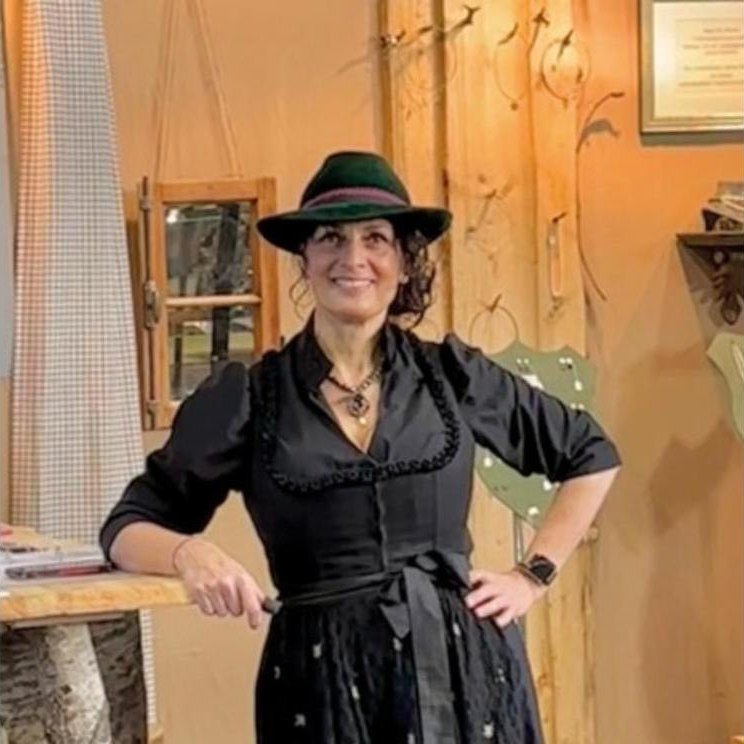
Julia Gubo
Chairwoman of WCFE e.V.
Julia Gubo is a dedicated conservationist, wildlife protector, and forest owner. As the chairwoman of the Wildlife Conservation Forst Eibenstein Association (WCFE e.V.), she passionately advocates for the protection of native wildlife, the preservation of biodiversity, and the sustainable development of our natural environments.
A special focus of her work is the rescue of young wildlife, particularly the protection of fawns during mowing. She is committed to the use of modern technology and the advancement of animal welfare-friendly measures.
Furthermore, she leads research and conservation projects, combining practical wildlife protection with the goal of preserving habitats long-term and promoting biodiversity.
Her personal mission is to take responsibility for nature and the environment and to inspire people to engage in active, sustainable nature and wildlife conservation.
The schedule
Subject to change
- Start: circa 9:00 Uhr
- Theorie
- gemeinsame Mittagspause
- Fahrt in das Revier
- Ende: circa 15:00 Uhr
Discover more seminars
-
Nature seminars
Hunting Jewelry Goldsmith Course
- Town/City: Sauerland
- Date: 18/09/2027 · 1 Day
Speaker: with Pia Laflör760,00€per person -
Nature seminars
Species Protection New Year's Eve Hike
- Town/City: Eixendorfer See, Bavaria
- Date: 31/12/2027 · One-day seminar
0,00€per person